
Walk into any glassware shop and you’ll hear the words glass, crystalline and crystal used almost interchangeably. They aren’t the same, and the difference affects how a glass looks, feels, lasts and is priced. This guide explains crystal vs regular glass in plain terms, so you can choose the right one for daily use or for a gift.
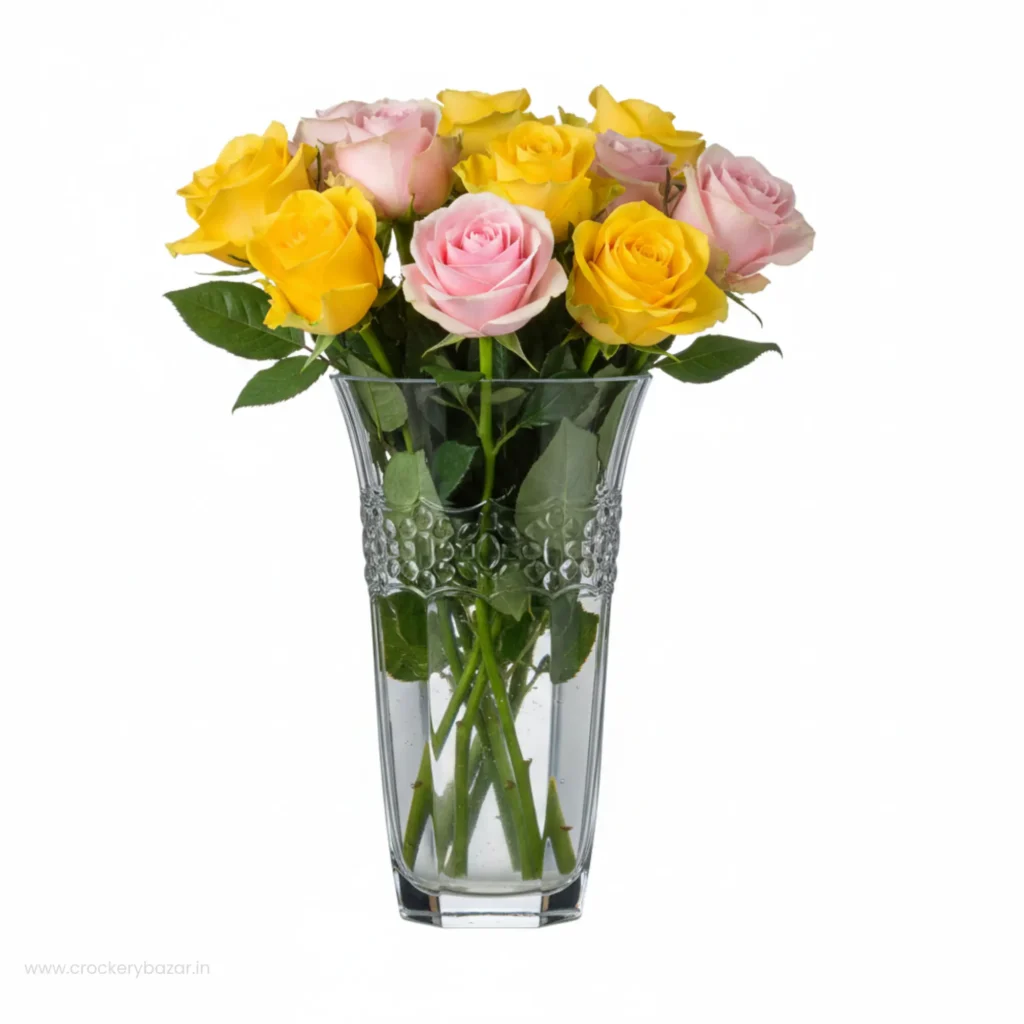

What Is Regular Glass?
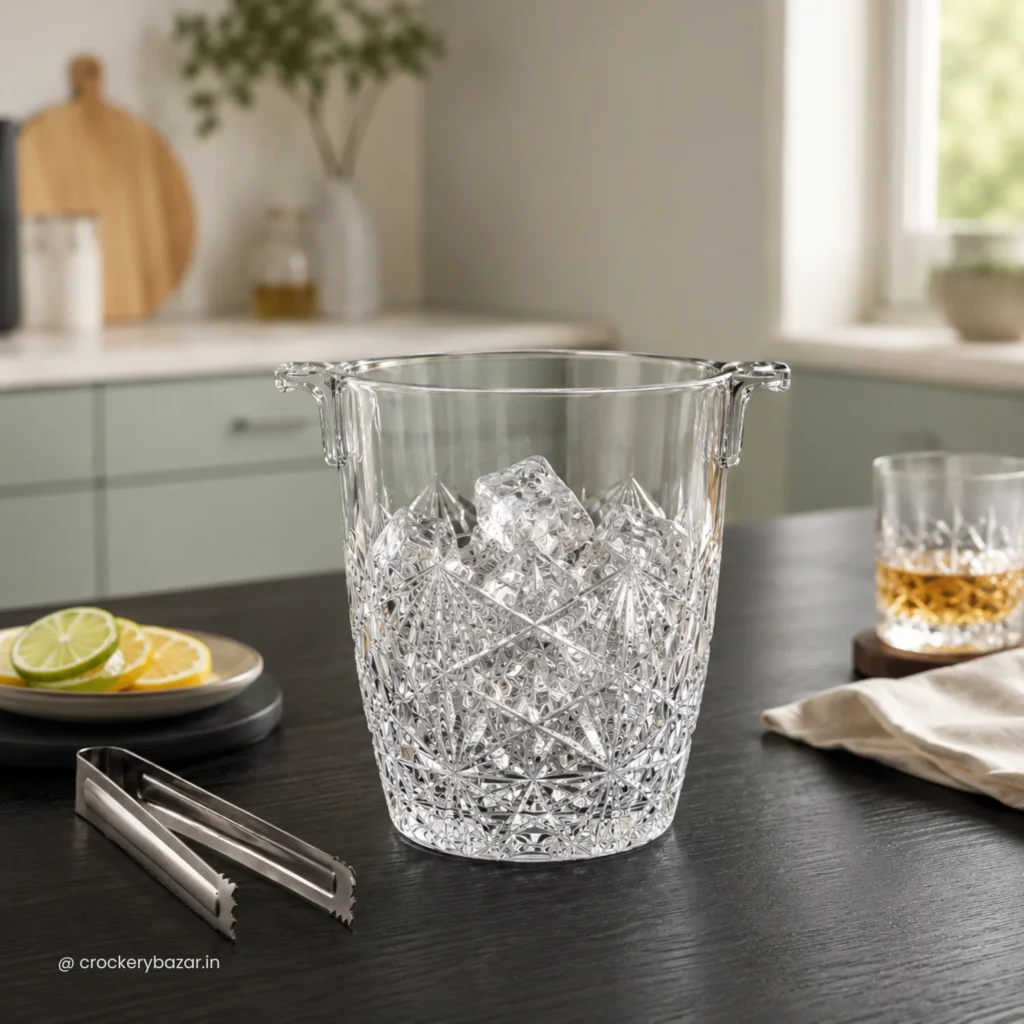
Most everyday glassware is made from soda-lime glass, a mix of silica sand, soda ash and lime. It’s affordable, durable and easy to produce in large quantities, which is why it dominates daily-use glassware.
Clarity: clear, though usually less brilliant than crystal
Weight: moderate to heavy, depending on thickness
Sound when tapped: a short, dull note
Best for: water glasses, tumblers, juice glasses and everyday entertaining
Soda-lime glass can also be tempered, meaning heat-strengthened to resist knocks and sudden temperature changes. Tempered regular glassware is often the most practical choice for busy homes.
What Is Crystal Glass?

Traditionally, Crystal means glass made with added metal oxides, most commonly lead oxide. Under European standards, lead crystal contains at least 24% lead oxide. These additives raise the glass’s refractive index, so light bends more inside it. The result is extra brilliance and sparkle.
- Clarity and brilliance: brighter, with a distinctive sparkle
- Feel: often heavier, with a substantial, premium feel (lead-free crystal can be lighter)
- Sound when tapped: a longer, clearer ring
- Rims: it can be made very thin, which many people like for wine and whisky
- Best for: wine glasses, whisky tumblers, decanters, gifting and special occasions
What is lead-free crystal?

Many modern brands make lead-free crystal, replacing lead with materials such as barium, zinc, potassium or titanium. It aims for similar clarity and brilliance without lead, and is often the preferred choice today for everyday premium use. Exact composition and care rules vary by brand, so always check the manufacturer’s information.
Crystal isn’t only for drinking glasses

The same material is also used for crystal decanters, serving pieces and decorative objects such as a crystal vase for home decor or a crystal figurine.
A decanter, for example, combines a practical use with the visual appeal people associate with crystal.
Where does crystalline glass fit in?
You’ll also see crystalline glass in product listings. The term is used for certain modern glass formulations that aim for crystal-like clarity and feel, but it isn’t applied consistently across brands.
So don’t rely on the word alone. Check the manufacturer’s stated composition, such as “lead-free crystal glass” or “tempered soda-lime glass”, instead of assuming every “crystalline” product is the same.
Crystal vs regular glass: side-by-side comparison
| Regular (soda-lime) glass | Crystalline glass | Crystal glass | |
Clarity | Good | Very good | Excellent |
| Brilliance | Modest | Bright | Highest sparkle |
| Weight | Moderate | Varies by brand | Often heavier (lead crystal); lighter if lead-free |
| Sound when tapped | Short, dull | Varies | Longer, clearer ring |
| Rim | Usually thicker | Can be thin | Can be very thin |
| Everyday durability | High, especially tempered | Good, varies | Varies; often needs more care |
| Typical price | Most affordable | Mid-range | Premium |
Crystal glass vs regular glass: which is better for everyday use?
For daily use, regular glassware, especially tempered, is usually the most practical choice Like Bormioli Rocco. Everyday glasses get washed often, stacked and knocked around, so durability and value matter more than sparkle. Good lead-free crystal glassware can also work for daily use if you’re happy to follow the care instructions.
Which is better for gifting?


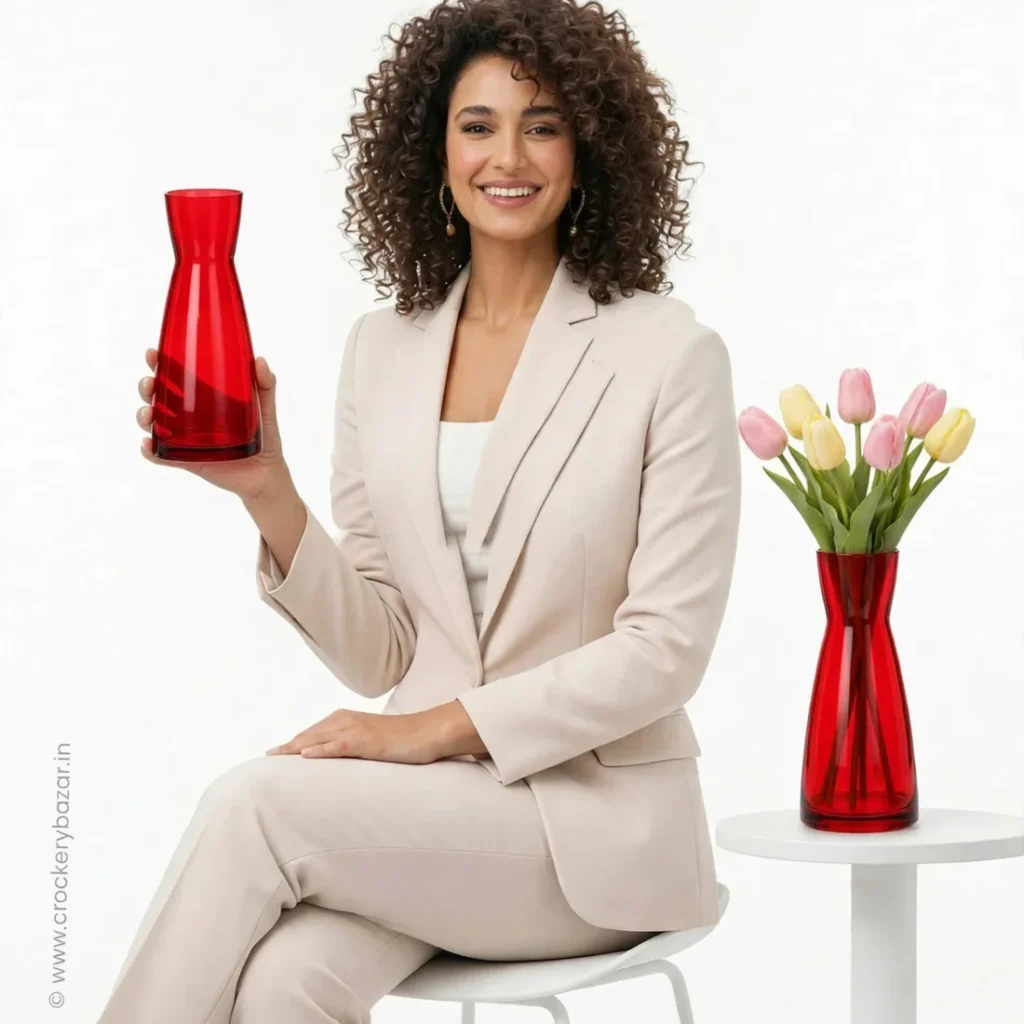
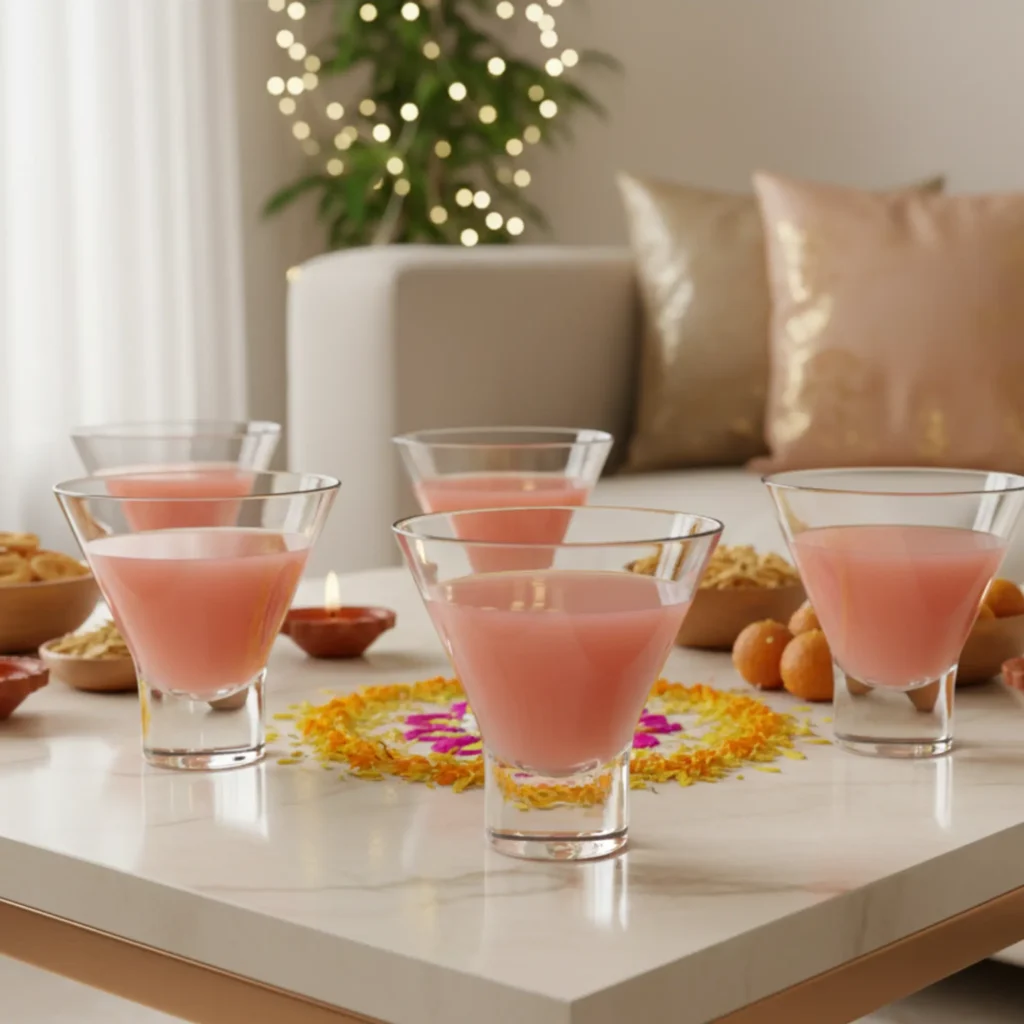
Crystal glassware is the usual choice for gifting. Its weight, clarity and presentation make it feel special. Crystal wine glasses, whisky tumblers, decanters and decorative pieces like vases suit weddings, housewarmings, anniversaries and festive occasions.
Looking for ideas? See our guide to Diwali gifting: Explore
What should you look for when buying?


- Read the composition. Look for “lead-free crystal”, “crystal glass” or “tempered glass” on the label or product page. In the market, “crystal” is sometimes used loosely, so ask the seller if it isn’t stated.
- Try the ring test. Gently tap the rim. Crystal usually gives a longer, clearer tone than ordinary glass. It’s a helpful hint, not proof, since thickness and shape also affect the sound.
- Check the rim. A smooth, well-finished rim usually signals better quality and a nicer drinking feel.
- Look at clarity. Good glass shouldn’t look cloudy, bubbly or tinted.
- Feel the balance. A well-made glass feels stable, not top-heavy.
- Read the care instructions. Some modern crystal is dishwasher-safe, but many premium pieces are best washed by hand.
- Match it to the use. Choose durability for daily use and brilliance for special occasions.


Frequently asked questions
Is crystal better than regular glass?
Crystal is better for clarity, brilliance and premium feel. For everyday durability, tempered regular glass often lasts longer, so “better” depends on how you’ll use it.
Is crystal glass safe to drink from?
Lead-free crystal is made without lead. Traditional lead crystal is generally considered fine for normal drinking, but it’s best not to store drinks, especially acidic ones like wine or spirits, in it for long periods. It’s also best not to use it for babies’ or children’s drinks.
Is crystalline glass the same as crystal?
Not necessarily. The term is used differently by different brands, so check the manufacturer’s stated composition.
Can I put crystal glasses in the dishwasher?
It depends on the brand. Some lead-free crystal is dishwasher-safe, while delicate or traditional lead crystal is usually best washed by hand. Follow the manufacturer’s care instructions.
Why does crystal ring when you tap it?
Crystal’s composition and often thin walls let it vibrate freely, producing a longer, clearer tone than ordinary glass.
Which glass is best for wine?
Thin-rimmed crystal or lead-free crystal wine glasses are popular because they show off a wine’s colour and aroma well.
Final thoughts
There’s no single best glass. Regular tempered glass is the workhorse for daily life, and crystal is the choice for special moments and gifting. Crystalline glass sits somewhere in between, so read the composition before you buy.


Want to go deeper? Read “The Crockery Bazar Journal” Blog Articles


